Fruit Ninja®: The Timeless Appeal of Digital Slicing
August 30, 2026
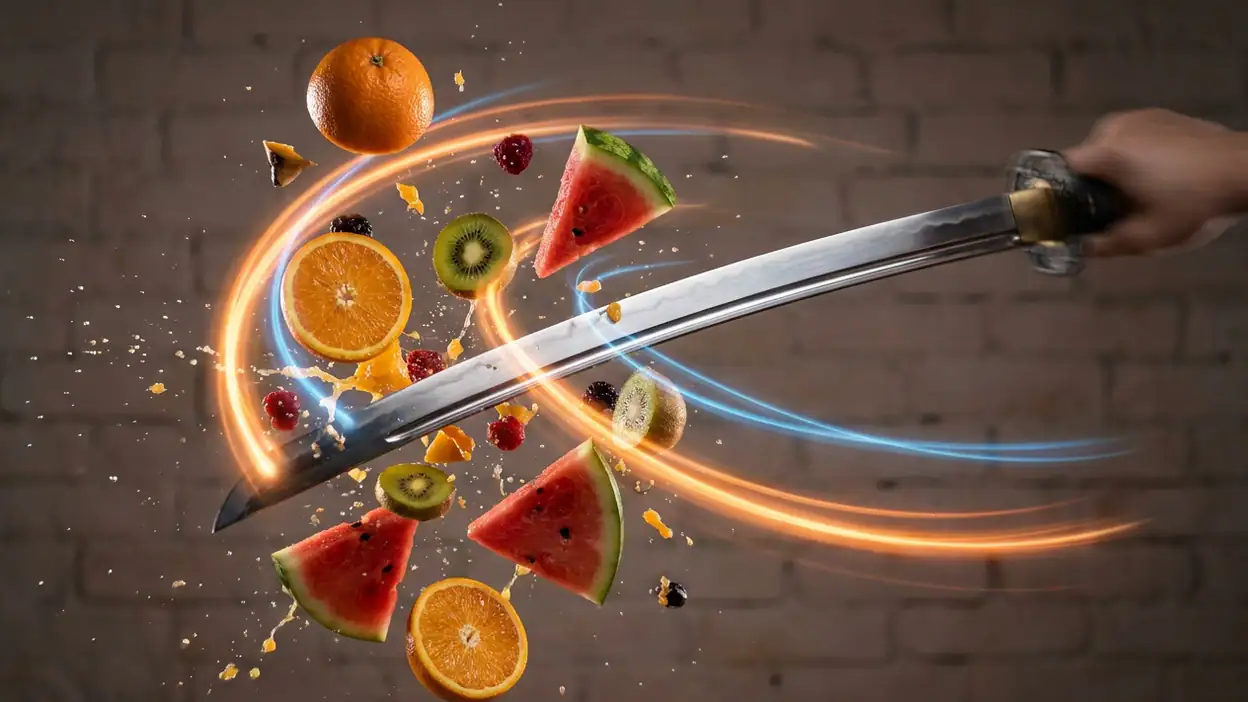
There’s something almost meditative about swiping across the screen of your phone, hearing the satisfying slice of virtual fruit. Fruit Ninja® might be the quintessential mobile game, capturing both the simplicity and complexity of our digital lives. As soon as you dive in, you realize this isn’t just about fruit or ninja skills; it's about how we connect with stress relief, ritual, and our devices.
Initially released over a decade ago, Fruit Ninja® became an overnight sensation. But why does it still resonate so profoundly today? In a world dominated by fast-paced, high-stakes games like MARVEL Future Fight, and the immersive escapism of Google Play Books & Audiobooks, Fruit Ninja® offers something different: a momentary escape into a world where the only mission is to slice and score. It’s a reflection of the current demand for quick, gratifying experiences that don’t demand long-term commitment.
What Fruit Ninja® cleverly normalizes is the behavior of instant gratification. The game's design taps into a universal desire to achieve a sense of accomplishment with minimal effort. It’s the epitome of the ‘quick win,’ allowing players to feel mastery through simple mechanics. Unlike Ludo King®, which banks on nostalgia and social interaction, Fruit Ninja® thrives on solitary satisfaction.

In terms of status or convenience, Fruit Ninja® is the game you play while waiting for the bus or during a coffee break. It’s not about prestige or leveling up; it’s about the ease of access and the simple joy of seeing a watermelon explode into pieces. This is a game that slips seamlessly into your daily rituals, becoming the go-to for idle moments.
Why do people keep this game close to their hearts (and phones)? The answer lies in its rhythm. The swiping motion, the immediate feedback, and the escalating stakes of dodging bombs create a loop that’s both engaging and satisfying. Unlike the strategic depth required in Tiles Hop Music & Ball Game, Fruit Ninja® offers a rhythm that's instantly familiar and gratifying.
Design-wise, Fruit Ninja® mirrors our culture with its vibrant colors and intuitive interface. The graphics are sharp and playful, echoing the visual language of pop culture and comic books, making it accessible and appealing to a broad audience. This is not just a game; it’s a visual and tactile experience that draws players back repeatedly.
Yet, there are elements that feel revealing, even uneasy. The game’s simplicity is both its strength and its weakness. While it offers a quick escape, it also highlights our dependence on instant gratification and the desire for minimal effort rewards. This reflects a broader digital culture where attention spans are short, and rewards are immediate.
Many have tried to replicate its success, but few have matched its purity. Rivals often copy its pattern, adding layers of complexity or narrative, but they rarely capture the same essence. The simplicity of Fruit Ninja® is both its charm and its challenge to competitors who seek to outdo it with bells and whistles.
In the end, Fruit Ninja® is more than just a game; it's a cultural artifact that speaks to how we live and play through our phones. It’s a signal of identity, a ritual of convenience, and a testament to the power of simplicity in a complex digital age. Whether you're slicing through a banana or dodging a bomb, you're engaging in a cultural practice that’s as much about the game as it is about us.