Uber Eats Under Pressure: What Happens When Delivery Goes Wrong
July 19, 2026
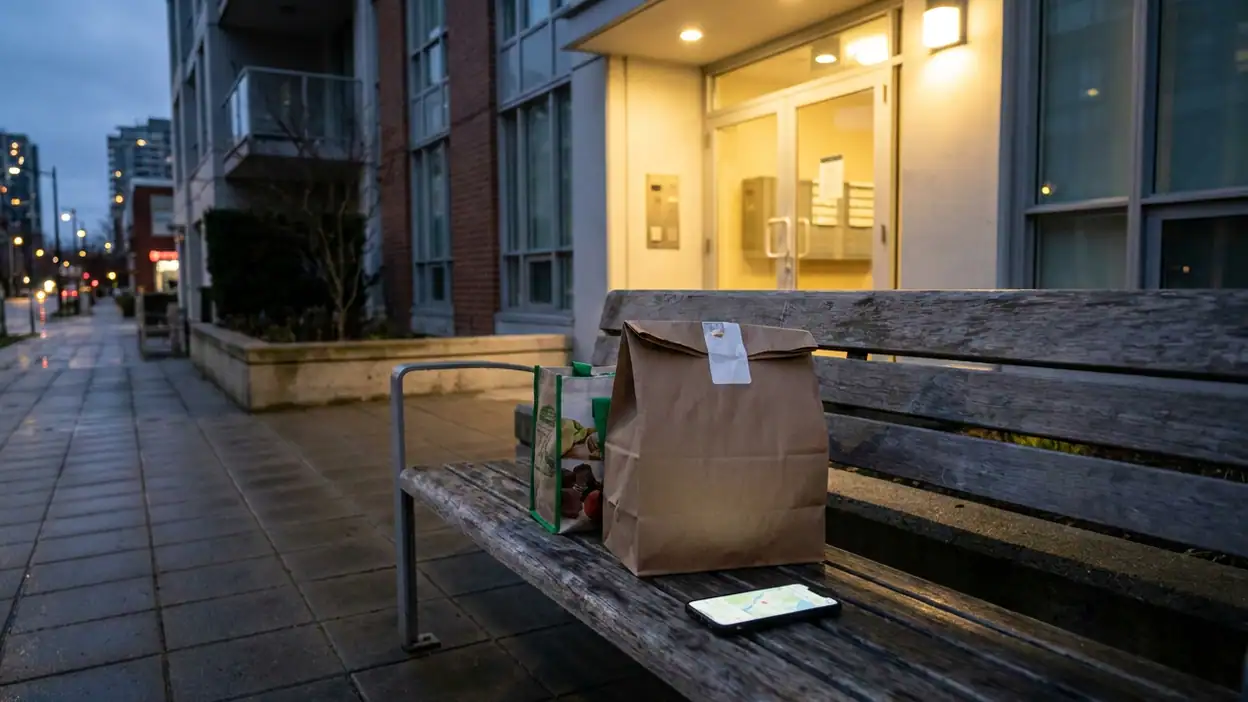
Uber Eats is easy to praise after a perfect order: choose a restaurant, add dinner, pay, watch the courier approach, and open the bag at the door. That sequence is not the interesting part. The real test begins when the address is incomplete, the restaurant runs late, the connection drops, or the app leaves you staring at a status that does not explain what happens next. After testing Uber Eats: Food and Grocery through those less forgiving moments, my conclusion is clear: it is a capable delivery service with strong operational visibility, but its resilience depends heavily on timing, local availability, and the user's willingness to investigate.
That distinction matters because food delivery is unusually sensitive to failure. A broken social app can wait. A grocery order may contain essentials. A late meal gets colder by the minute, and an accidental duplicate charge is not merely an interface annoyance. Uber Eats has built a convincing layer of tracking and support around these risks, yet it does not eliminate ambiguity. It manages failure better than many basic ordering apps, but it does not always make recovery feel immediate or certain.
Failure Mode Field Test
The reliability promise
The app's promise is broader than putting restaurant menus on a phone. It coordinates several moving parts: merchant acceptance, preparation, courier assignment, navigation, payment, substitutions for grocery items, and communication between people who may never meet. The home screen makes this complexity look simple. Restaurants, stores, delivery estimates, promotions, and previous orders sit inside a familiar browsing flow, while location services help narrow the list to places that can actually reach you.

That convenience is persuasive because the app usually gives the impression that every order has a defined path. A restaurant is preparing it. A courier is heading there. The map is moving. In practice, each status is a report from a changing network rather than a guarantee. A courier can be reassigned, a merchant can fall behind, and an estimated arrival window can move without the app feeling broken. The reliability question is therefore not whether Uber Eats predicts the future perfectly. It is whether the app tells me enough, soon enough, to make a sensible decision.
On that measure, Uber Eats is strongest during active delivery. The order timeline, map, courier details, and contact options create a useful sense of progression. The app is less convincing before checkout, where fees, minimums, delivery areas, and item availability can change as I move between restaurants or stores. The service is reliable as a coordinator, not always as a source of certainty.
First setup failure points
Initial setup is not difficult, but it contains several places where a rushed user can create trouble. The delivery address is the obvious one. A pin may land near the right building while the written address lacks an apartment number, entrance detail, or useful instruction. In a dense block, that small omission can become a long phone call after the courier arrives. I found that the app's address tools are helpful, but they cannot infer the practical information a courier needs at a complicated property.
Location permission is another early fork. Granting access makes restaurant discovery and delivery estimates more useful, but a privacy-conscious user may choose a restricted setting and then wonder why the map or nearby results feel less precise. The app can still function, yet the experience becomes more manual. A user who skips notifications may also miss a prompt about substitutions, an arrival update, or a support response. None of these choices prevents ordering, but each removes one layer of recovery.
Payment setup can fail quietly in a different way. A saved card may be expired, blocked for an unusual transaction, or affected by a bank verification step. The app generally surfaces payment trouble before an order is accepted, which is preferable to discovering it at delivery. Still, the practical advice is simple: verify the final payment method, address, and contact details before placing an order you cannot easily replace. Setup is not just account creation; it is preparing the conditions under which a stranger can successfully deliver something to you.
Grocery orders add more uncertainty. A store may not have the chosen brand, size, or flavor, and substitution preferences become important before checkout rather than after the problem appears. If I accept broad substitutions without thinking, I am giving the picker permission to solve the order in a way that may be technically reasonable but personally useless. The app exposes these choices, but the burden remains on the customer to make them specific.
Mistakes and reversibility
The safest ordering systems make mistakes cheap. Uber Eats does reasonably well before the merchant begins work. Items can be reviewed, quantities adjusted, instructions edited, and the delivery location checked before payment is finalized. That review stage is valuable because the most expensive errors are mundane: the wrong restaurant, the wrong saved address, an unintended quantity, or a delivery note copied from an earlier order.
Once the order is accepted, reversibility narrows quickly. Cancellation may be possible, but the outcome can depend on whether the restaurant has started preparing the food and whether charges have already been incurred. This is sensible from the merchant's perspective, yet it means the app's cancellation controls should not be mistaken for a universal undo button. A user who changes their mind after the kitchen begins work may face a partial or full charge, depending on the circumstances.
Editing an order after submission is similarly conditional. Adding a forgotten drink is not the same as correcting a delivery instruction, and neither is guaranteed to be available once preparation is underway. The app's support pathways matter here because the interface cannot rewrite a meal already on a counter. In my testing, the important lesson was to treat checkout as a commitment point, not a draft. Uber Eats makes review possible, but it does not make post-submission mistakes painless.
There is a more subtle mistake: accepting an estimate as a promise. The displayed time can influence whether I order lunch between meetings or groceries before leaving home. If the estimate shifts later, I have not necessarily been misled, but I have made a decision using information that was always provisional. The app could do more to distinguish a confident delivery window from a fragile one, especially during busy periods.
Interruption and return
Phone interruptions are normal during a delivery. A call arrives, the screen locks, another app takes over, or the user closes Uber Eats after placing the order. Returning to the active order is generally straightforward through the app's order history or current-order surface. The key information remains available: status, estimated arrival, courier location when applicable, and ways to contact support or the courier.
That continuity is one of the service's better qualities. I did not need to keep the app open like a live television broadcast. The order continued in the background, and reopening it restored the operational context. Notifications become important here, but they are not the only safety net. If a notification is missed, the order record still provides a route back into the process.
Interruption becomes more complicated after a courier reaches the destination. A missed call or a locked lobby can turn a simple handoff into an unclear endpoint. Delivery instructions help, and contact tools can bridge the gap, but the app cannot guarantee access to a building or a response from the customer. Users who select leave-at-door delivery should be especially precise about where the courier can place the order and how the entrance can be recognized without exposing the food to weather or theft.
For grocery deliveries, interruption may involve substitutions rather than arrival. A prompt can require a decision at an inconvenient time, and the order may proceed according to the preferences already chosen. That is convenient if the preferences are good and frustrating if they are vague. The app preserves the order's momentum, but momentum is not always the same as control.
Connectivity pressure
Weak connectivity is where the difference between a shopping interface and a logistics tool becomes obvious. Browsing menus can tolerate a delay. A courier trying to find a building, or a customer trying to read an arrival update, cannot always afford one. Uber Eats depends on network access for live status, map movement, payment confirmation, messaging, and support. When the connection is poor, the app may show an old state that looks current simply because nothing newer has arrived.
The most important precaution is to avoid repeating an action when the result is unclear. If checkout appears frozen, tapping the payment button several times can create anxiety about duplicate orders or charges. The safer response is to wait for confirmation, check order history, and inspect the account before trying again. That is not elegant recovery, but it is the correct behavior for any commerce app operating over an unreliable connection.
Map tracking is especially vulnerable to stale information. A stationary courier marker could mean the courier is waiting, the route has not refreshed, GPS is inaccurate, or the app has lost contact with the server. The map is useful evidence, not definitive proof. I trust the broader order timeline more than a single frozen marker, and I would contact support or the courier only after checking whether the status has actually changed.
Uber Eats does not turn a weak signal into an offline ordering system. It is better understood as a connected service with some graceful continuity: the order may continue even if the phone temporarily loses access, but the user may not know what is happening until the connection returns. That is acceptable for ordinary browsing and less comfortable during a late delivery or a payment dispute.
Unclear states
The hardest failures are not explicit errors. They are states that could mean several things. “Preparing” might mean the kitchen has just started, or it might mean the order is waiting behind a backlog. “Picking up” can suggest a courier is close, although the handoff may still be delayed. A grocery order that is being adjusted may be progressing normally or waiting for a substitution decision.
These labels are useful shorthand, but they compress human operations into a few words. The app's visual timeline creates confidence, while the underlying situation remains fluid. That tension is most noticeable when an estimate passes without a clear explanation. I want to know whether the restaurant is late, the courier is delayed, the route changed, or the system simply has not refreshed. Sometimes the app provides enough context; sometimes I am left interpreting silence.
Pricing can also enter an unclear state. The total shown before checkout is the figure that matters for authorization, but fees, tips, taxes, promotions, and grocery adjustments can make the final amount feel less intuitive. A changed item or substitution may alter the total after the original order. The app presents transaction details, yet users should keep receipts and order records when the amount matters. A clean interface does not remove the need to reconcile a charge.
Support interactions may resolve the practical issue without resolving the emotional one. A refund or credit can be appropriate, but the customer still wants to understand what happened. Uber Eats is more reassuring when it explains the next action instead of merely displaying a category such as delayed, canceled, or unavailable. The best recovery message is not the most polished one; it is the one that removes the next decision from the customer's hands.
Recovery guidance
When an order goes wrong, I recommend a deliberate sequence. First, open the active order and confirm whether the status, estimate, and payment information have updated. Second, check the order details for the merchant, address, items, and delivery instructions. Third, use the available contact route if the issue is still actionable, such as an inaccessible entrance or a missing handoff. Finally, move to support with the order record intact rather than starting a new order in frustration.
This sequence sounds obvious, but it prevents two common mistakes: creating a duplicate order and losing the evidence needed for a refund request. Screenshots can help when a status or price changes, particularly if the app later shows a different state. Keep the receipt, note the time, and describe the concrete failure rather than writing only that the order was bad. “The courier could not enter the building and the order was marked delivered” gives support something to investigate.
For missing or incorrect food, photograph the items and packaging before discarding them if the situation is serious. For grocery substitutions, compare the delivered product with the order record and the substitution preference. For a canceled order, check whether the payment is a completed charge or a temporary authorization that may disappear later. Bank processing times can make a reversal look like a new charge, so the transaction record matters more than a quick glance at the balance.
Uber Eats makes these paths accessible enough for ordinary problems, but recovery is not always instantaneous. Support may ask for details the app already appears to know, and the resolution can vary by merchant, courier, region, and order type. That variability is not a reason to avoid the service; it is a reason not to use it for a time-critical meal unless you have a backup plan.
Where evidence is missing
A responsible review has to separate observed behavior from assumptions. I could verify that active orders expose status information, that order history provides a return point after interruption, and that support tools are attached to the transaction. I could also verify that the app depends on live network access for the most useful tracking features. I cannot responsibly promise that every cancellation, refund, substitution, or payment reversal will follow the same path everywhere.
Local conditions change the result. A large city with many couriers is not the same as a rural area with limited coverage. A chain restaurant may handle a delay differently from an independent kitchen. Grocery availability, delivery windows, tipping conventions, service fees, and support policies can vary by market. Even the same order type may behave differently during a storm, a holiday, or a major local event.
There is also a limit to what an app test can prove about the courier experience. The map may display a route, but it cannot show traffic stress, parking restrictions, restaurant congestion, or the practical difficulty of reaching a high-rise. Nor can a reviewer reproduce every bank decline, device permission combination, operating-system background restriction, and regional policy. Those are not missing details to fill with confidence; they are boundaries around the evidence.
That uncertainty should shape how the app is judged. Uber Eats has invested in visible status and structured support, which is meaningful. It has not made delivery deterministic. The difference is important for anyone reading a review before relying on the service for something consequential.
Who needs more certainty
Casual diners can probably accept the app's uncertainty. If dinner is late, they can wait, contact support, or cook something else. The convenience remains substantial, especially when the restaurant selection is strong and the delivery area is well served. For this audience, the app's tracking and order history make ordinary failures manageable.
People ordering medication-adjacent groceries, infant supplies, allergy-sensitive food, or items for a fixed event need a stricter standard. Substitution settings should be reviewed carefully, and delivery estimates should be treated as planning aids rather than guarantees. If an item is essential, I would confirm availability directly where possible or arrange a backup source. The app may complete the transaction successfully while still failing the user's real objective.
Privacy-sensitive users also need to decide how much convenience they want to trade for location and notification access. The service can function with more restricted permissions, but the experience becomes less automatic. Users with unreliable mobile data should place orders before the connection becomes critical, save delivery instructions, and avoid making changes while the app is struggling to refresh.
Finally, anyone managing a household budget should inspect the full total and retain receipts. Promotions can be useful, but they should not obscure delivery fees, service charges, tips, minimums, or changes caused by grocery substitutions. A discount is not a recovery plan, and a low headline price does not guarantee a low final cost.
Resilience verdict
Uber Eats earns its place as a practical food and grocery utility because it handles the normal complexity of delivery without making the customer coordinate every step manually. Its strongest resilience features are the persistent order record, active status timeline, courier contact options, and support attached to a specific transaction. Those tools matter after the phone is interrupted, the restaurant falls behind, or the handoff becomes awkward.
Its weaknesses are equally concrete. Estimates can feel more definite than they are. Status labels sometimes hide the cause of a delay. Weak connectivity can leave the user looking at stale information, and post-submission mistakes become expensive once preparation starts. Grocery substitutions add another layer where convenience depends on decisions made before the problem appears. The app recovers best when the failure fits a known support pathway; it is less satisfying when the user needs an explanation rather than a form.
My final judgment is favorable but conditional. Uber Eats is resilient enough for everyday ordering, particularly when the address is precise, notifications are enabled, and the user checks the final order before paying. It is not a guarantee of punctuality, perfect availability, or instant refunds. Treat the app as a capable dispatcher with useful recovery tools, not as an authority that can make a messy delivery perfectly predictable. For ordinary meals, that is a fair bargain. For essential groceries or hard deadlines, certainty still requires a second plan.
That is the real result of this field test: the service does not prove its quality when everything works. It proves it when something stops working and the customer can still find the order, understand the next step, and avoid making the situation worse. Uber Eats: Food and Grocery gets most of that architecture right, but its resilience remains practical rather than absolute.